
How to Manage Returns and Product Recalls Effectively

Returns, Recalls, and Reputation: How to Turn Chaos Into Control
Returns and product recalls are the stuff logistics nightmares are made of. Think mountains of boxes piling up like Jenga towers in your warehouse, customers demanding answers faster than your chatbot can type, and your brand reputation hanging by a barcode.
But here’s the twist: when managed well, returns and recalls aren’t just damage control - they’re a secret weapon. Research shows that 92% of consumers will buy again if the returns process is easy (Invesp). On the flip side, 67% of shoppers check the return policy before clicking “buy” (Narvar). So, the way you handle the backflow of goods can either win loyalty or torch trust.
This is where smart strategy, clean processes, and the right tech stack can turn return chaos into reclaimed revenue.
Returns Management: The Art of Making the Unwanted Less Painful
Returns are inevitable - but mayhem isn’t. The trick is building a process that feels painless for your customer while keeping costs from spiraling.
The Non-Negotiables for Returns:
Clear Communication Spell it out: what’s returnable, when, how, and what it’ll cost. Transparency reduces friction and keeps angry “WISMO” calls (Where Is My Order?) off your queue.
Streamlined Processes Make the process brain-dead simple. Drop-off points, printable labels, or in-store options reduce bottlenecks and frustration.
Inspection & Restock, Fast Every day a returned item sits in limbo, you lose value. Swiftly assess, restock, repair, or recycle.
Data as Your Detective Track why things come back. Is it a sizing issue? Misleading product descriptions? Flimsy packaging? Use the insights to plug the leaks.
👉 Example: Zappos built a cult following on free returns and a 365-day window. Painful? Sure. Effective? Absolutely - return-friendly policies increased repeat purchases by up to 97% (Invesp).

Product Recalls: When Speed = Survival
Returns sting. Recalls can sting and scar. They’re urgent, high-stakes, and can dismantle trust overnight if bungled.
How to Handle Recalls Without Melting Down:
Rapid Response Time is oxygen. Identify affected SKUs fast and blast messages across email, social, press, and social media.
Crystal-Clear Instructions Don’t make customers guess. Tell them how to safely return, dispose, or replace.
Regulator Relations Work hand-in-hand with authorities. Compliance isn’t just legal CYA - it reassures customers.
Compensation With Care Refunds, replacements, or repairs should be smooth and fast. Trust is fragile here.
Root Cause AnalysisFix what broke and make sure it doesn’t happen again.
👉 Case in point: Samsung’s 2016 Galaxy Note 7 battery recall. Costly? Yes - over $5.3 billion (CNN). But their aggressive response helped them bounce back instead of going extinct.
The 5 R’s of Reverse Logistics
When it comes to returns and recalls, the 5 R’s aren’t just cute - they’re gospel:
Return - Get it back.
Repair - Fix what’s fixable.
Refurbish - Make it like new.
Recycle - Harvest parts and reduce waste.
Resell - Capture value on secondary markets.
👉 Example: Apple resells refurbished iPhones at up to 15% cheaper than new, while still pulling billions back into circulation (Statista).

Tech That Turns Chaos Into Order
Without tech, reverse logistics is just expensive guesswork. The right tools make the process faster, smarter, and a lot less soul-crushing.
RMA Systems - Automate return authorizations and tracking.
Inventory Management Software - Keep live visibility of what’s back in play.
CRM Systems - Talk to customers in real time, not weeks later.
Analytics - Spot trends before they become tidal waves.
👉 Amazon’s automated returns portals slash manual handling, saving costs and providing instant tracking. Result: a customer experience smoother than butter on hot toast.
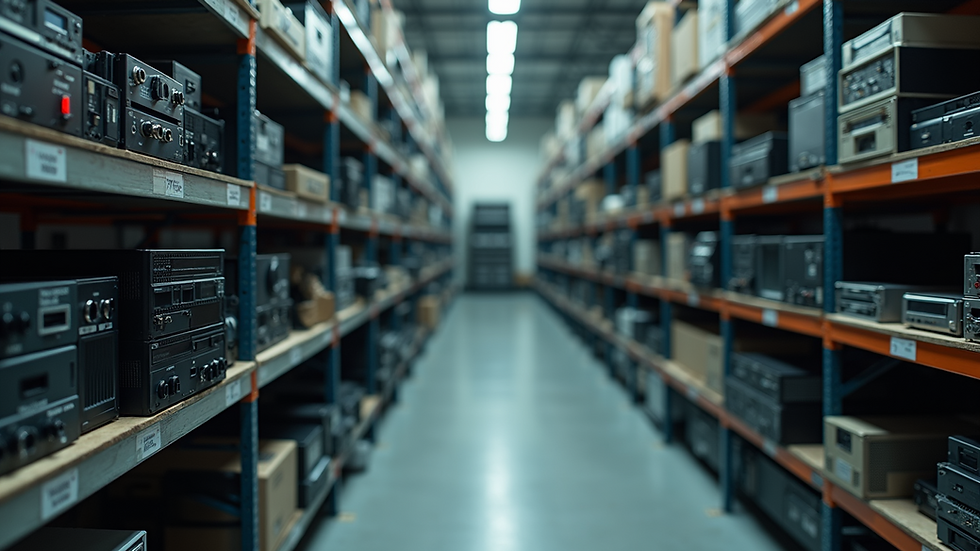
Reverse Logistics: The Backstage Hero
Reverse logistics is everything that happens when products flow backwards - from customers to you. Handle it badly, and you bleed money. Handle it well, and you unlock sustainability, savings, and reputation points.
That means:
Coordinating transport and warehousing for the backflow.
Sorting by condition, resale potential, or recycling needs.
Staying compliant with environmental rules.
👉 Example: IKEA has leaned into circular logistics, buying back and reselling furniture, reducing waste, and winning eco-conscious shoppers. Result? Sales topped €44.3 billion in 2023 (IKEA Annual Report).
Best Practices for Customer Communication During Returns and Recalls: The Make-or-Break
Returns and recalls aren’t just logistical headaches - they’re PR events in disguise. How you communicate determines whether customers stay loyal or jump ship.
Best Practices:
Proactive Notifications - Don’t wait for angry emails.
Multiple Channels - Cover email, SMS, social, and web updates.
Personalized Support - Real humans, real empathy.
Follow-Ups - Confirm receipt and keep customers updated on refunds or replacements.
👉 Food recalls show this best: companies that used direct email plus social updates reduced customer complaints by 42% compared to those who only issued press releases (FSIS data).
Wrapping It Up: Returns Don’t Have to Wreck You
Returns and recalls are unavoidable. But handled right, they can be the difference between chaos and control, loss and loyalty.
Get policies crystal clear.
Move fast with recalls.
Use tech to automate and accelerate.
Apply the 5 R’s.
Communicate like trust depends on it - because it does.
Returns and recalls don’t have to be your Achilles’ heel. Done right, they can be your competitive edge.
Want to turn returns and product recalls into a competitive advantage instead of an operational crisis? Read:
FAQs Managing Returns and Product Recalls Effectively
Why is managing product returns important for customer loyalty?
Because a smooth return experience keeps customers coming back. 92% of shoppers say they’ll buy again if returns are easy (Invesp). If your process is clunky, customers won’t just return the product - they’ll return the relationship.
What is the difference between a product return and a product recall?
A return is when a customer sends something back because it didn’t fit, wasn’t right, or they just changed their mind. A recall is urgent and safety-driven - the product is defective or dangerous, and the brand has to pull it off the shelves fast to prevent harm. Both need streamlined processes, but recalls demand speed, compliance, and proactive communication. (CNN)
How can technology improve returns and recall management?
Tech is the ultimate chaos-tamer. RMA systems, IoT tracking, and CRM platforms can automate approvals, give real-time visibility on stock, and keep customers updated instantly. Amazon’s returns portal is a prime example - automation saves time, slashes costs, and makes the customer feel like they’re in control.
What are the 5 R’s of reverse logistics?
The 5 R’s are your survival kit for handling goods on the way back:
Return – Get it back.
Repair – Fix what’s broken.
Refurbish – Make it like new.
Recycle – Strip value, reduce waste.
Resell – Capture revenue on secondary markets.Companies like Apple recoup billions annually through refurbishment and resale of returned devices. (Statista)
How do recalls affect brand reputation if not handled well?
Badly managed recalls can torpedo trust overnight. Samsung’s Galaxy Note 7 battery recall cost $5.3 billion and dented their brand (CNN). Quick communication, transparent compensation, and a clear recovery plan are what separate companies that survive recalls from those that don’t.
Nailing returns and recalls isn’t rocket science - it’s discipline
Clear policies, slick processes, the right tech, and communication that doesn’t sound like it was written by a bot. Get those four pieces working together and you don’t just dodge chaos - you protect your customers, cut losses, and keep your brand reputation polished instead of dented.
Insights from Danyul Gleeson, Founder & Logistics Chaos Tamer-in-Chief at Transport Works
Danyul has been in the trenches - warehouses where pick paths were sketched on pizza boxes and boardrooms where the “supply chain strategy” was a shrug. He built Transport Works to flip that script: a 4PL that turns broken systems into competitive advantage. His mission? Always Delivering - without the chaos.
Sources
Invesp: Returns & Customer Behavior Stats
Narvar Consumer Report 2023
CNN: Samsung Recall Costs
Statista: Apple Refurbished Market
IKEA Annual Report 2023
USDA FSIS Recall Data


